
Don’t Forget The Sheep
All the talk in agriculture, outside the chatter about fertilizer and fuel cost, is beef. Beef articles and discussions have dominated the headlines with the cattle population in the United States at al all-time low, 94.2 million down from a high of 132 million in the early 1970s. While cattle dominate the headlines, sheep are quietly becoming another strong option for livestock farmers. The sheep industry in the United States is relatively small (compared to cattle), but can be profitable and rewarding. The sheep population in the US is around 5 million, 3.7 million breeding and 1.3 million market stock with Texas on top with 340K animals (Pennsylvania has approximately 70 K sheep). This is down from a peak of 56 million sheep in 1945. The drop from 1945 to today is primarily because of synthetic fibers (nylon, polyester) production. World sheep population is 1.3 billion with China (194 million) and India (75 million) leading the way.
Curtis Knepper, Growers Mineral dealer in Chambersburg, PA, and his wife Emma made the transition from a dairy operation with 60 head of cows to sheep in May 2021. He made the move because they were in the process of turning the farm over to their son, Barry. The move was made because Barry didn't want to milk moving forward. He has a custom combining business in addition to the farm operation, and labor was becoming a real ongoing problem at the dairy operation. The transition started in May 2021, dissolving the dairy operation and adding the sheep to the farm. Transitions are never perfect and always come with issues. Feed was an initial issue they had to overcome along with the new structures needed for the animals. Feed was the biggest issue because the alfalfa was providing too much protein in their diet. They decided to feed a diet of wheatlage and corn silage along with grain, utilizing Growers Mineral Solution and manure as the only primary fertilizer used. They do use a little additional nitrogen when needed.
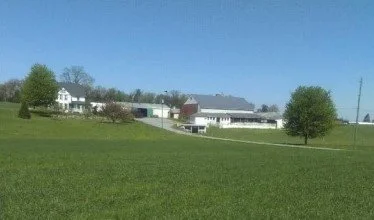
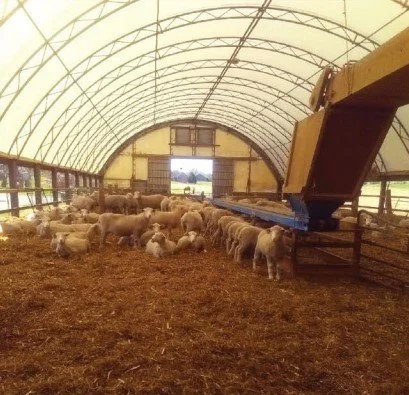
Today, the Knepper farm has 400 Polypay Sheep. Polypay sheep are a dual purpose animal, created in 1960 at the US Sheep Experiment Station by crossing the traits from Finnsheep, Dorset, Targhee, and Rambouillet sheep, providing prolificacy, early puberty, adaptability, carcass quality, and a high-quality fleece. Polypay produces excellent meat and good quality wool. Unfortunately, the wool doesn't have much value if any at all for the Knepper Farm. They end up burying most of it. Lamb meat on the hand is where they make it work, selling the lambs at around 100 lbs. through auctions primarily, which has been strong lately. The industry has its challenges with price fluctuations and labor shortages, but the USA market is known for quality lamb (meat) and wool around the world because of strong animal welfare policies (improved breeding techniques), focusing on sustainable practices, market expansion (export) and better disease control. The export market continues to grow along with specialized operations that focus on milk production for gourmet cheese and other products. The transition at the Knepper farm has been successful, and they continue to refine the process to remain profitable today and in the future.
This is an excerpt from the Summer Growers Solution (2026) written by Chris Kohls.
Signup for our newsletter to stay in the loop